Pluripotent Stem Cells: What They Are, How They Work, and Why Source Quality Matters
If you are exploring stem cell therapy for yourself or a loved one, you will quickly encounter a flood of conflicting claims. Some clinics promise miracle cures; others dismiss the entire field as unproven. The truth, as always, is more nuanced and more interesting than either extreme.
This page gives you a clear, science-based foundation so you can evaluate any stem cell therapy option - and ask the right questions before you commit.
What is a stem cell?
A stem cell is a cell with two defining abilities: it can copy itself (self-renewal), and it can transform into other, more specialised cell types (differentiation). These two properties make stem cells uniquely valuable in regenerative medicine.
All other cells in your body - neurons, muscle fibres, liver cells - have already completed their differentiation journey. They cannot revert or change function. Stem cells are the exception.
The Hierarchy - Not All Stem Cells Are Equal
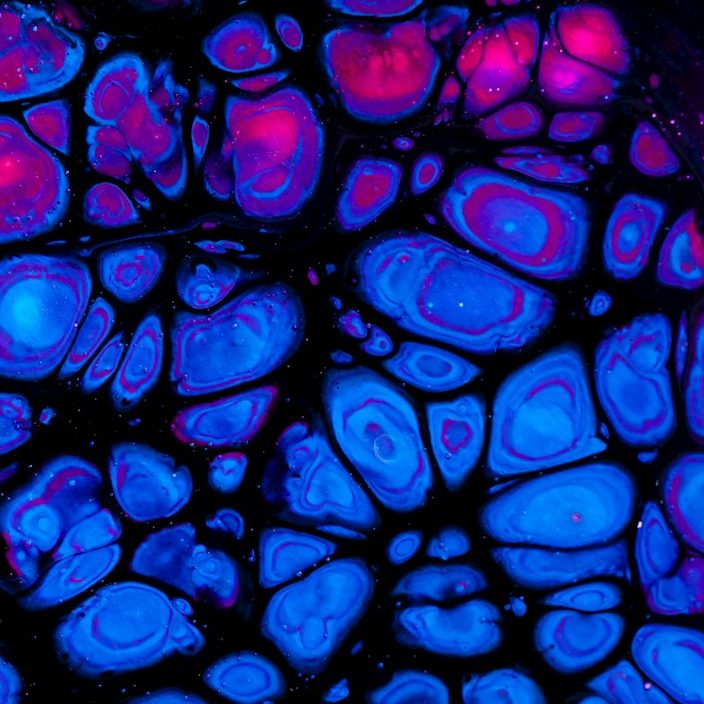
Medical literature describes four levels of stem cell potency. Understanding these levels is essential when evaluating any therapy.
Totipotent cells can become any cell type in the human body, including the placenta. They exist only in the earliest days after fertilisation and are not used therapeutically.
Pluripotent stem cells (PSCs) can differentiate into virtually all cell types of the three primary germ layers - ectoderm, mesoderm, and endoderm. This makes them the most therapeutically versatile type.
Human embryonic stem cells (hESCs) and induced pluripotent stem cells (iPSCs) both fall into this category. As of December 2024, 115 regulatory-approved clinical trials are testing 83 human PSC-derived products worldwide.
Multipotent stem cells can differentiate into a limited family of related cell types. Mesenchymal stem cells (MSCs), derived from bone marrow, adipose tissue, or umbilical cord tissue, are multipotent and represent the most clinically studied class. They are valued for their immunomodulatory and anti-inflammatory secretome rather than direct cell replacement.
Unipotent stem cells can only produce one cell type (e.g. muscle satellite cells). Their therapeutic applications are correspondingly narrow.
At Medical Cells Network, we focus on pluripotent and high-potency allogeneic mesenchymal protocols - the most evidence-supported categories for the neurological and systemic indications we advise on.
Many standard stem cell treatments use cells taken from the patient's own body - known as autologous stem cells. While this approach has its merits, these cells are generally multipotent, which means their ability to develop into different cell types, and their overall therapeutic impact, remains limited.
We recommend pluripotent allogeneic stem cells, donated by a third party rather than harvested from the patient. Their broader developmental range opens the door to meaningfully greater therapeutic outcomes.
Why are our PLURIPOTENT
Stem Cells superior?
Production
We follow strict GMP rules at every step of the production and document the whole production process.
We release products only once predefined criteria are met.
Always ask for pluripotent stem cells!
Watch a video here!
Autologous vs. Allogeneic - A Critical Distinction
Autologous means the cells come from the patient's own body. While this eliminates immune rejection risk, the cells carry the same genetic vulnerabilities and age-related deterioration as the patient. For degenerative diseases, where the patient's own biology is already compromised, this is a significant limitation.
Allogeneic means the cells come from a healthy donor. Properly selected and manufactured allogeneic cells bring full potency, consistent quality, and - in the case of certain MSC types - low immunogenicity (the immune system rarely rejects them). This is the basis of our preferred therapeutic protocols.
What Is the Secretome - and Why It Matters
Modern stem cell research has largely shifted focus from the direct cell replacement theory to the paracrine mechanism - the idea that stem cells work primarily by releasing signalling molecules that instruct surrounding tissue to repair itself.
This collection of secreted molecules - growth factors, cytokines, extracellular vesicles (including exosomes) - is called the secretome. In neurological diseases in particular, the therapeutic benefit appears to come from:
- Neuroprotection - reducing further neuron death through anti-apoptotic signalling
- Neuroinflammation reduction - suppressing overactive immune responses in the brain
- Neurotrophic factor release - BDNF (brain-derived neurotrophic factor), GDNF (glial cell line-derived neurotrophic factor), and NGF (nerve growth factor) all support neuron survival and connectivity
- Angiogenesis support - promoting new blood vessel formation to improve perfusion in affected areas
This explains why even conditions where direct neuron replacement would seem impossible - such as established Alzheimer's or progressive MS - show biological responses to stem cell administration.
Why GMP Certification Is Non-Negotiable
Good Manufacturing Practice (GMP) certification is the gold standard for pharmaceutical and cell therapy production. A GMP-certified cell therapy product must meet strict standards for:
- Donor screening and consent
- Cell isolation and expansion protocols
- Sterility testing at every production stage
- Viability thresholds (typically >85% live cells at point of administration)
- Batch traceability and documentation
- Cold-chain logistics from production to clinic
This matters enormously for patients. Non-GMP cell products - still unfortunately offered by some providers worldwide - carry infection risks, variable potency, and zero regulatory oversight. We will only ever advise on therapies produced at GMP-certified facilities.
What About Fetal Stem Cells?
Fetal-derived stem cells have attracted significant research interest because of their particularly high potency and immune tolerance. They represent a specific category of allogeneic pluripotent cells, sourced from ethically regulated, consented donation programs, and manufactured under strict GMP conditions.
Published case studies, including those involving neurological and developmental conditions, have reported meaningful functional improvements. We assess each patient's suitability for fetal-derived protocols on a case-by-case basis.
The Role of Exosomes
Exosomes are nanoscale vesicles (30-150 nm) released by stem cells as part of the secretome.
They carry microRNA, proteins, and lipids that modulate gene expression in recipient cells. Stem cell-derived exosomes are increasingly being studied as a standalone therapeutic agent - essentially delivering the regenerative "signal" without administering the cell itself.
Research published in PMC confirms their immunomodulatory, anti-apoptotic, and regenerative properties in neurological disease models.
For patients who may not be suitable for cell infusion, exosome therapy represents an important complementary or alternative pathway.
What Questions Should You Ask Any Provider?
Before pursuing any stem cell therapy, you should be able to answer "yes" to all of the following:
- Are the cells produced in a GMP-certified facility?
- Has the specific protocol been tested in peer-reviewed published studies?
- Is the clinic regulated by a recognised national health authority?
- Are donor screening and consent procedures documented?
- Is there a medical protocol in place for monitoring you post-treatment?
- Are realistic outcomes communicated, without guarantees?
If any answer is unclear or evasive, proceed with caution. Our advisory service exists precisely to help you navigate these questions with full scientific transparency.