Stem Cell Therapy for ALS: What the Evidence Shows and How We Can Help
Amyotrophic lateral sclerosis (ALS), also known as motor neuron disease (MND), is one of the most challenging conditions in all of neurology.
The progressive loss of both upper and lower motor neurons leads to relentless deterioration of movement, speech, swallowing, and eventually breathing. Median survival from symptom onset is 2-4 years, and conventional treatments - riluzole, edaravone - offer modest slowing of decline at best.
For patients and families facing this diagnosis, the question is almost always the same: is there anything more we can do? Stem cell therapy is one of the most actively researched answers to that question.
Here is what the science honestly shows.
What happens in ALS?
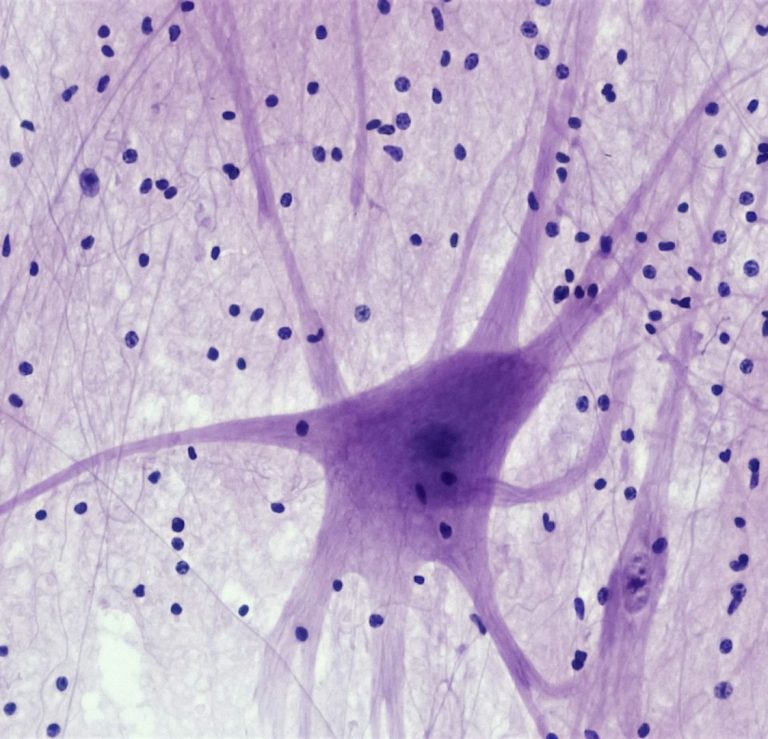
ALS is characterised by the degeneration of motor neurons in the brain (upper motor neurons) and spinal cord (lower motor neurons). As these neurons die, voluntary muscle control is progressively lost.
The exact triggers of motor neuron death involve a combination of excitotoxicity (excessive glutamate signalling), oxidative stress, mitochondrial dysfunction, neuroinflammation, and in some cases genetic mutations (SOD1, C9orf72, FUS, and others).
Crucially, neuroinflammation - the overactivation of microglia and astrocytes in the central nervous system - plays an active role in accelerating neuron loss. This is one of the central targets of stem cell-based approaches.
How Stem Cell Therapy May Help in ALS
The therapeutic rationale for stem cells in ALS centres on two principal mechanisms:
Neuroprotection via the secretome. Mesenchymal stem cells (MSCs) secrete a broad range of neurotrophic factors - GDNF (glial cell line-derived neurotrophic factor), BDNF (brain-derived neurotrophic factor), VEGF (vascular endothelial growth factor), and HGF (hepatocyte growth factor) - that support surviving motor neurons, reduce glutamate excitotoxicity, and inhibit apoptotic pathways. The goal is not to replace lost motor neurons, but to create a neuroprotective environment that slows the rate of further loss.
Neuroinflammation modulation. MSCs secrete anti-inflammatory cytokines (including IL-10 and TGF-β) that shift microglial activity from a destructive pro-inflammatory state (M1) toward a neuroprotective state (M2). Given the central role of neuroinflammation in ALS progression, this immunomodulatory mechanism is directly relevant.
A 2025 PMC review of stem cell therapy for ALS evaluating MSCs, neural stem cells (NSCs), and iPSC-derived approaches confirms that all three have demonstrated relevant activity in preclinical and early clinical settings, with MSCs being the most clinically advanced.
Landmark clinical evidence
The evidence in ALS is nuanced and honest communication requires acknowledging both the promising signals and the setbacks. Here is where the science stands:
The NurOwn (debamestrocel) data - survival signal despite Phase 3 miss. NurOwn is an autologous MSC therapy engineered to secrete neurotrophic factors (MSC-NTF). Its Phase 3 trial (NCT03280056) did not meet its primary endpoint of improving the ALSFRS-R functional rating scale slope. However, in a subsequent Expanded Access Program (EAP), 9 out of 10 patients who received NurOwn survived beyond 5 years from first symptom - a milestone reached by only approximately 10% of the general ALS population. Median survival in the EAP cohort was 6.8 years, with 6 of 10 participants still alive beyond 7 years. BrainStorm Cell Therapeutics is now advancing a Phase 3b trial aligned with FDA guidance. This is a clinically meaningful observation even in the absence of a positive pivotal trial.
Phase 2 trial at the Mayo Clinic. Data presented at the American Academy of Neurology (AAN) 2024 Annual Meetingfrom a multisite U.S. trial of intrathecal autologous adipose-derived MSCs showed that while the overall cohort did not reach statistical significance on ALSFRS-R, 21 of 57 patients (37%) experienced at least 25% slowing of disease progression after treatment. "There may be a responder effect," the trial's lead investigator noted - and identifying the biomarker profile of responders is the focus of ongoing analysis.
Prior survival analysis. A separate analysis of MSC transplant patients with ALS found an extension of survival by approximately 4 years compared to natural history data - a finding that aligns with the EAP data above.
The honest summary: MSC therapy for ALS does not benefit every patient equally, the field has not yet produced a definitive Phase 3 success, but the survival signals in long-term follow-up data are striking and warrant serious consideration, particularly for patients with early-stage disease.
Which patients may benefit most?
Current evidence and trial eligibility criteria suggest the greatest potential benefit in:
- Early-stage ALS (symptom onset within the past 12-18 months)
- Patients with slower baseline progression rate (ALSFRS-R decline <1.5 points/month)
- Patients with measurable neuroinflammatory markers (CSF cytokine profiles)
- Patients who have already initiated standard disease-modifying treatment
The "responder" patient profile is the subject of active biomarker research, and our advisory team is closely tracking these developments.
Our advisory approach
We understand that time is the critical variable in ALS. Our advisory process is designed to move quickly:
- Review of current ALSFRS-R score, symptom timeline, genetic testing results (if available), and neurologist reports
- Assessment of which published protocol best matches your profile
- Identification of the most appropriate GMP-certified clinical partner in Germany, Switzerland, or Georgia
- Coordination support for treatment planning and monitoring
We will not recommend a therapy where the evidence does not support it. But we will ensure that you have complete, current, science-based information to make the most informed decision possible.
Frequently Asked Questions
Is stem cell therapy for ALS approved anywhere?
No stem cell therapy has received full regulatory approval specifically for ALS. However, multiple Phase 2 trials have been completed, a Phase 3b trial is advancing, and several programmes are being conducted under Expanded Access and compassionate use frameworks in regulated jurisdictions.
Can stem cell therapy slow my ALS?
Current evidence suggests that a meaningful subset of patients - roughly one third in the Mayo Clinic Phase 2 trial - experience measurable slowing of functional decline. The challenge is identifying in advance who will be a responder. Our advisory process includes a thorough assessment of the factors associated with positive response in published literature.
What is the difference between MSC therapy and the gene therapies I have heard about for SOD1-ALS?
Gene therapies such as tofersen (Qalsody) target the specific SOD1 genetic mutation and are only applicable to the ~2% of ALS patients with SOD1 mutations. MSC therapy targets the broader neuroinflammatory and neurodegenerative mechanisms common to all ALS forms and is not limited by genetic subtype.
How is the therapy administered?
The most evidence-supported delivery route for ALS is intrathecal injection (directly into the spinal canal), which delivers cells to the cerebrospinal fluid in close proximity to the affected motor neurons. Intravenous delivery is used in some protocols as a complement.