Exosome Therapy: The Next Frontier in Regenerative Medicine
Exosome therapy is one of the fastest-growing areas of regenerative medicine - and one of the most misunderstood.
While some providers market exosomes with the same unsubstantiated claims that have long plagued the stem cell field, the underlying science is genuinely compelling and the evidence base is building rapidly.
This page explains what exosomes are, how they work, what the clinical evidence supports, and how Medical Cells Network advises patients on incorporating exosome therapy into a broader regenerative strategy.
What are Exosomes?
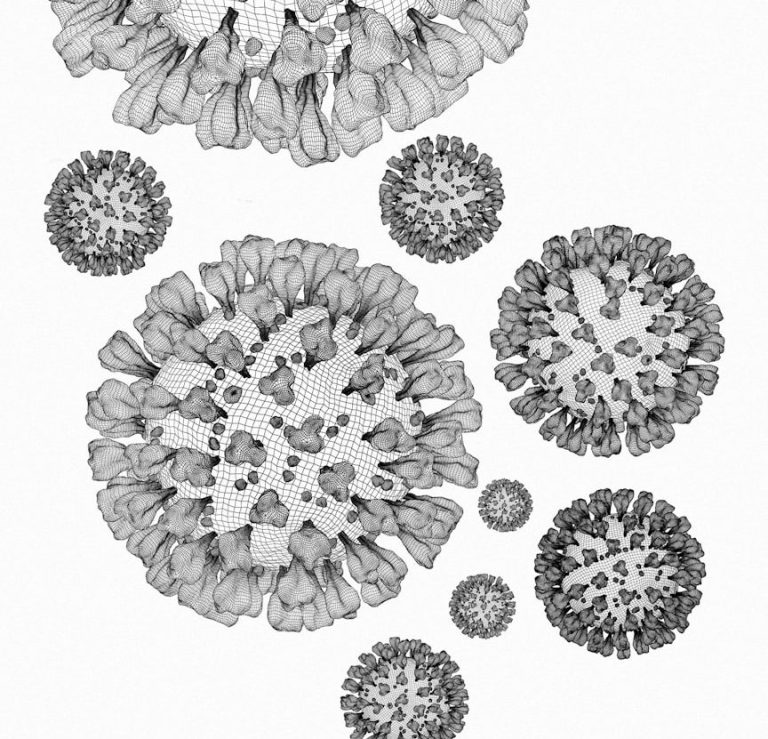
Exosomes are nanoscale extracellular vesicles - typically 30 to 150 nanometres in diameter - naturally released by cells as part of their intercellular communication system. They carry a cargo of microRNA, messenger RNA, proteins, and lipids, which they deliver to recipient cells to modulate gene expression and cellular behaviour.
Stem cell-derived exosomes (SC-Exos) are exosomes produced by mesenchymal or pluripotent stem cells during culture. They essentially package and deliver the most therapeutically active components of the stem cell secretome - the paracrine signalling that produces much of the regenerative benefit - without requiring live cell administration.
This distinction matters: exosomes are acellular. They cannot proliferate, cannot differentiate inappropriately, and carry a significantly different safety and logistics profile compared to cell-based therapies.
Why Exosomes are increasingly preferred in certain contexts
Compared to full stem cell infusions, exosome therapy offers several practical and biological advantages:
- Stability: Can be lyophilised (freeze-dried) and stored, easing logistics
- Scalability: GMP production of exosomes from a single high-quality cell line can yield consistent batches
- Blood-brain barrier penetration: Exosomes are small enough to cross the blood-brain barrier, making them uniquely suited to neurological indications
- Lower immunogenicity: As acellular particles, exosomes are less likely to trigger immune reactions
- Combination potential: Can be used alongside conventional therapies or as a gentler introduction before full cell therapy
Exosomes - The Anti-Aging Delivery System
Stem cell-derived exosomes have emerged as the most practical and versatile tool in the regenerative anti-aging toolkit. Their key advantages:
- They contain the most therapeutically active components of the MSC secretome in concentrated, stable form
- They cross the blood-brain barrier, enabling neurological rejuvenation
- They can be administered intravenously for systemic effects, or locally (skin, joints, scalp) for targeted tissue regeneration
- Their safety profile is excellent - as acellular particles, immune reactions are minimal
- They are stable for storage and transport, enabling consistent GMP-quality batches
A systematic review and meta-analysis published in the Aesthetic Surgery Journal evaluating human clinical trials of exosome-based therapies confirmed significant improvements in tissue quality and regenerative outcomes.
A further Cureus systematic review found consistent evidence that exosome therapy improves skin hydration, elasticity, collagen density, and reduces signs of ageing across all studied cohorts.
PMC (2025) documents the growing body of evidence for stem cell-derived exosomes specifically in combating skin ageing, with mechanistic studies showing modulation of collagen production, cell proliferation, and anti-inflammatory pathways.
Mechanisms of action
Research published in PMC confirms that stem cell-derived exosomes exert their effects through multiple overlapping pathways:
Immunomodulation: Delivery of anti-inflammatory microRNAs and proteins that suppress pathological immune activation - relevant across all neuroinflammatory conditions.
Neuroprotection: Inhibition of apoptotic pathways in vulnerable neurons; upregulation of survival factors including Bcl-2.
Neurogenesis support: Promotion of endogenous neural progenitor cell proliferation and differentiation.
Mitochondrial function restoration: Preclinical studies show that exosome administration may restore mitochondrial function and reduce oxidative stress - two processes central to both neurodegeneration and ageing.
Anti-fibrotic and anti-inflammatory effects in peripheral tissues: Relevant for systemic anti-aging and organ rejuvenation applications.
Clinical Applications
Neurodegenerative diseases: MSC-derived exosomes are under active investigation for Parkinson's, Alzheimer's, ALS, and MS. A 2025 review in PMC confirms that "using exosomes derived from mesenchymal stem cells for the treatment of neurodegenerative diseases is a safe and effective approach" in current research. The intranasal route is particularly promising for CNS delivery, allowing direct olfactory-to-brain transport.
Autism spectrum disorder: The Brain Foundation highlights intranasal MSC-derived exosome administration as a promising non-invasive ASD therapeutic. Early results show reductions in neuroinflammatory markers and improvements in social behaviour.
Healthy ageing and systemic rejuvenation: Exosomes derived from MSCs attenuate systemic inflammation associated with ageing, support cellular repair, and deliver growth factors that counteract age-related tissue deterioration. The exosome therapy market in this space is growing rapidly, with the sector projected to expand nearly threefold over the 2025-2035 decade.
Post-COVID neurological symptoms: Emerging evidence supports exosome therapy for cognitive and neurological sequelae of Long COVID, an area of growing clinical need.
Frequently Asked Questions
Are exosomes regulated the same way as stem cell therapies?
Regulatory classification of exosomes varies by jurisdiction. In Germany and Switzerland, exosome preparations manufactured for therapeutic use fall under advanced therapy medicinal product (ATMP) or medicinal product regulations. We only advise on protocols operating within these frameworks.
Is exosome therapy suitable for children?
The non-cellular nature and favourable safety profile of exosome therapy makes it suitable for consideration in paediatric cases, including autism and cerebral palsy. Intranasal administration is particularly relevant for children as it avoids the need for IV access. We assess suitability individually.
How quickly do results appear?
Exosome effects on neuroinflammation and gene expression can begin within days of administration. However, meaningful clinical improvements typically emerge over 4-12 weeks as downstream cellular changes accumulate. Individual timelines vary.